

Managed SOC
Palo Alto Networks Cortex XSIAM
XSIAM stands for Extended Security Intelligence and Automation Management.
Cybersecurity, cloud, Microsoft 365, compliance and modern IT insights.
XSIAM stands for Extended Security Intelligence and Automation Management.

Microsoft Defender XDR is a unified security platform that brings together security signals from endpoints, identities, email, Microsoft 365, an…
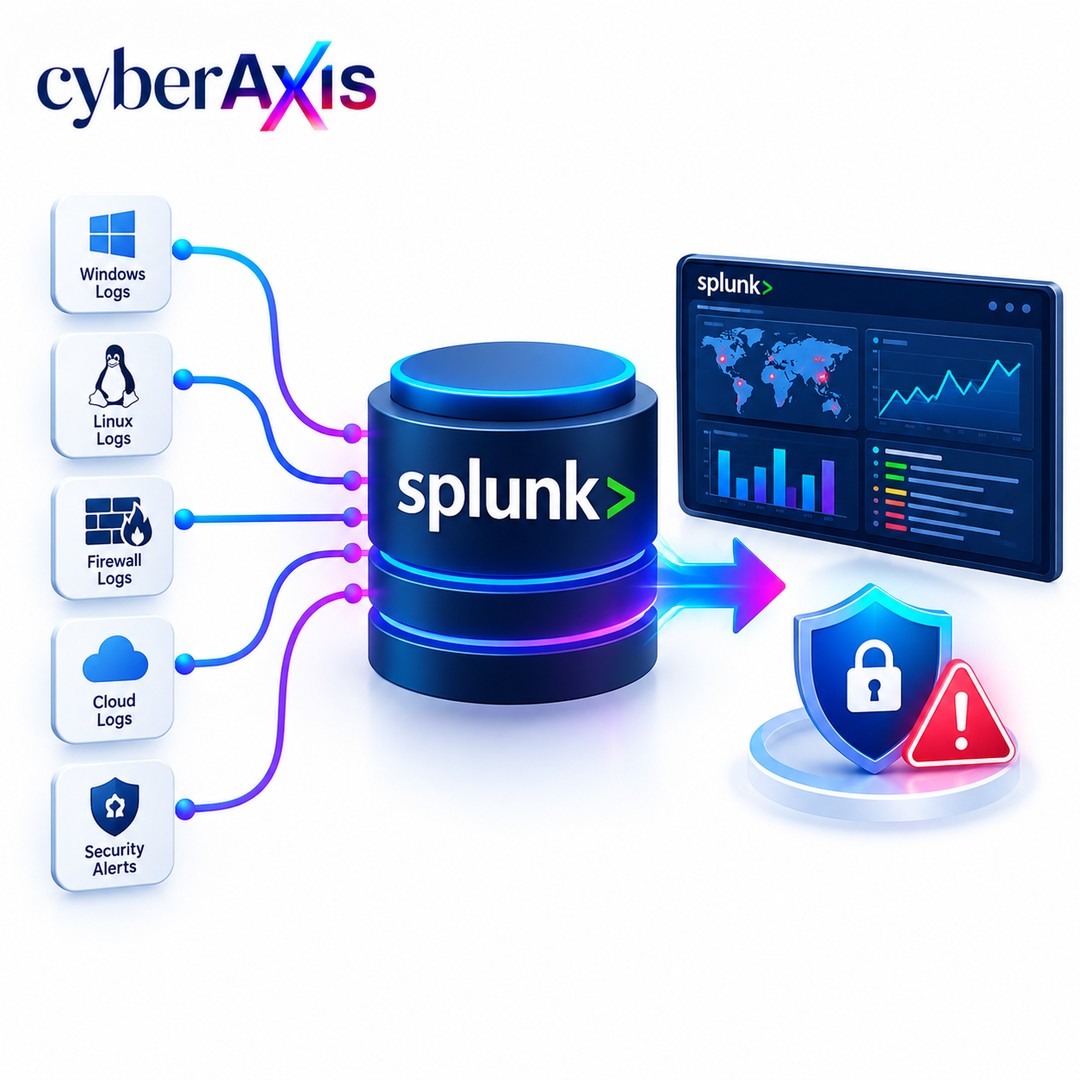
Splunk helps organizations bring data from multiple systems into a centralized platform.

Kaspersky provides security products for individuals and organizations, including endpoint protection designed to detect and prevent malware, ra…

Wazuh helps organizations collect, analyze, detect, investigate, and respond to security events.
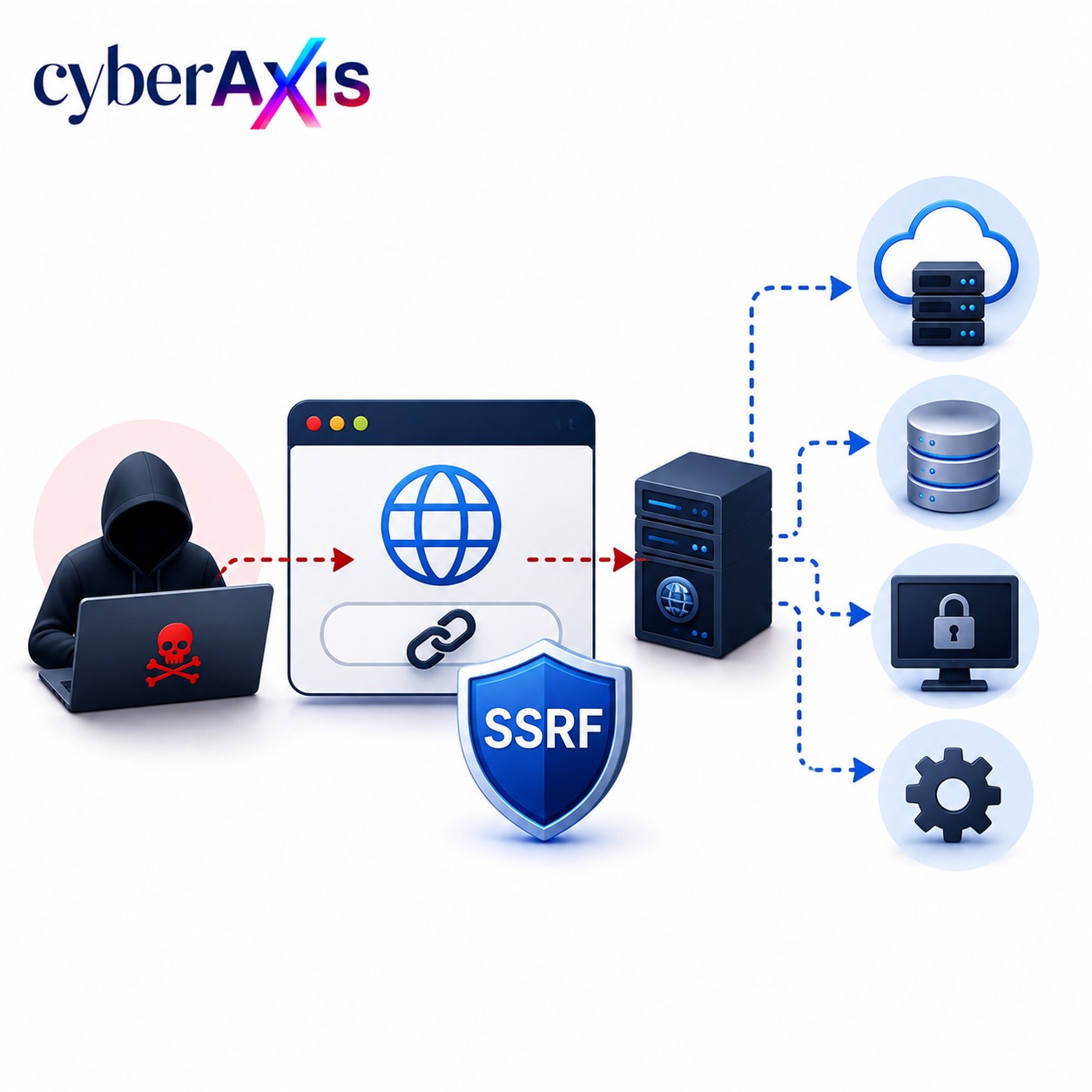
Server-Side Request Forgery (SSRF) is a vulnerability that occurs when a server retrieves a resource based on user-controlled input without prop…
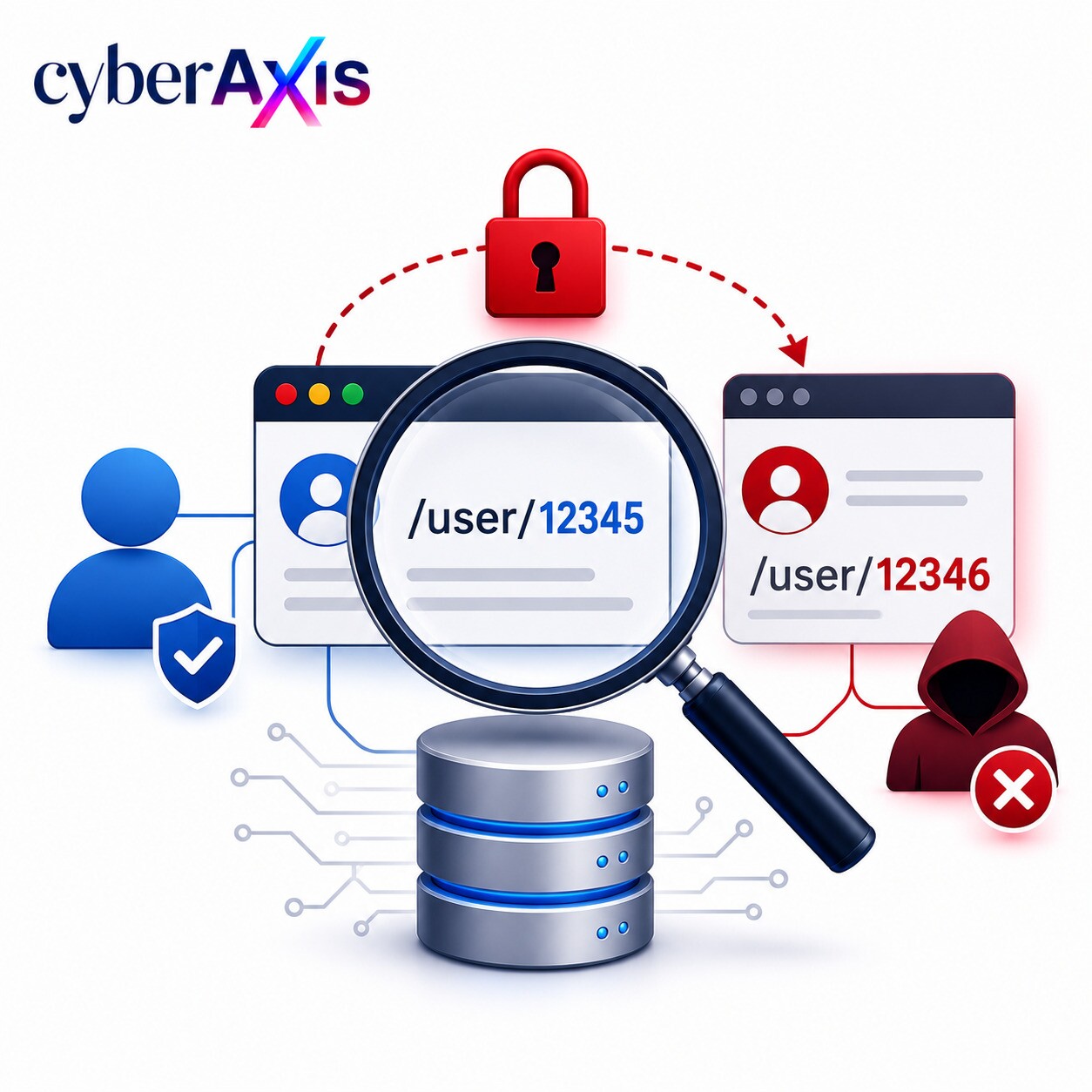
IDOR occurs when an application uses a user-controlled identifier to access a resource but fails to properly verify whether the user is authoriz…

SQL Injection: How a Simple Input Can Compromise an Entire Database

Bank of Baroda Is Not the First—What India's Biggest Cyberattacks Teach Us
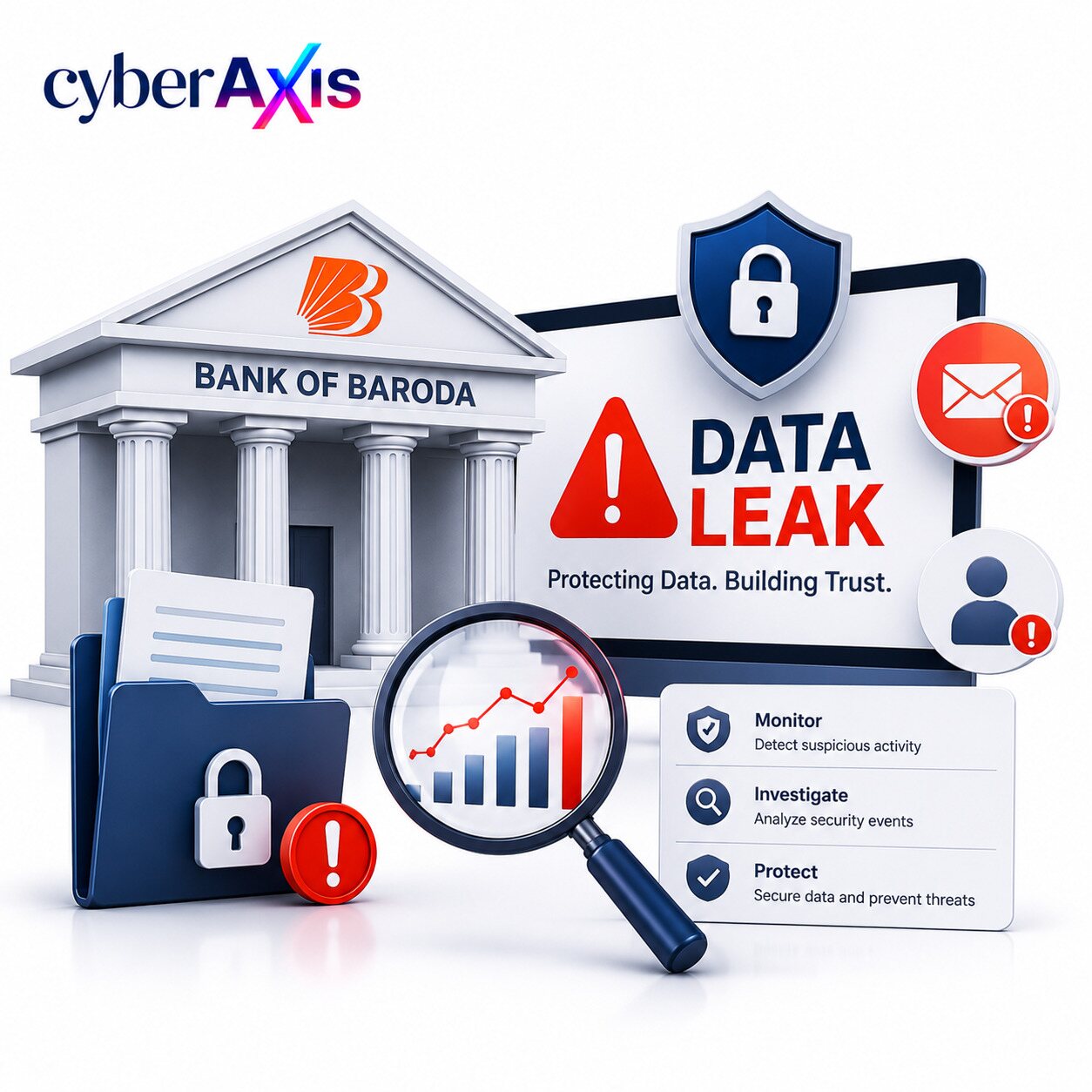
According to the bank's official statement, the incident involved the compromise of an employee's email account, resulting in unauthorized acces…

A Security Operations Center (SOC) is a dedicated team responsible for protecting an organization's IT environment 24/7. SOC analysts continuous…

An Advanced Persistent Threat (APT) is a sophisticated cyberattack in which an attacker gains unauthorized access to a network and remains undet…
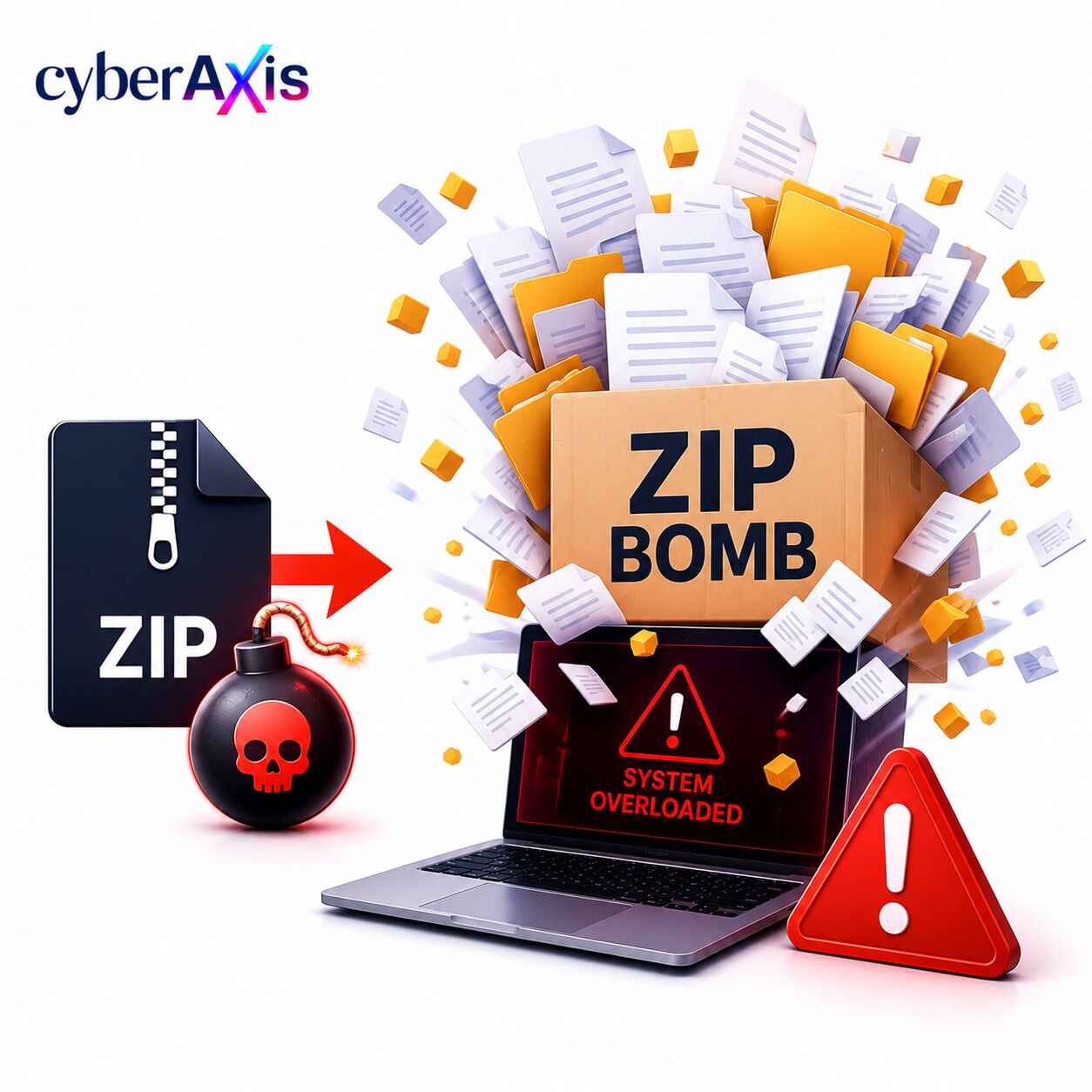
When a Tiny File Becomes a Massive Security Threat One small mistake—extracting an untrusted compressed file—can consume enormous amounts of sto…
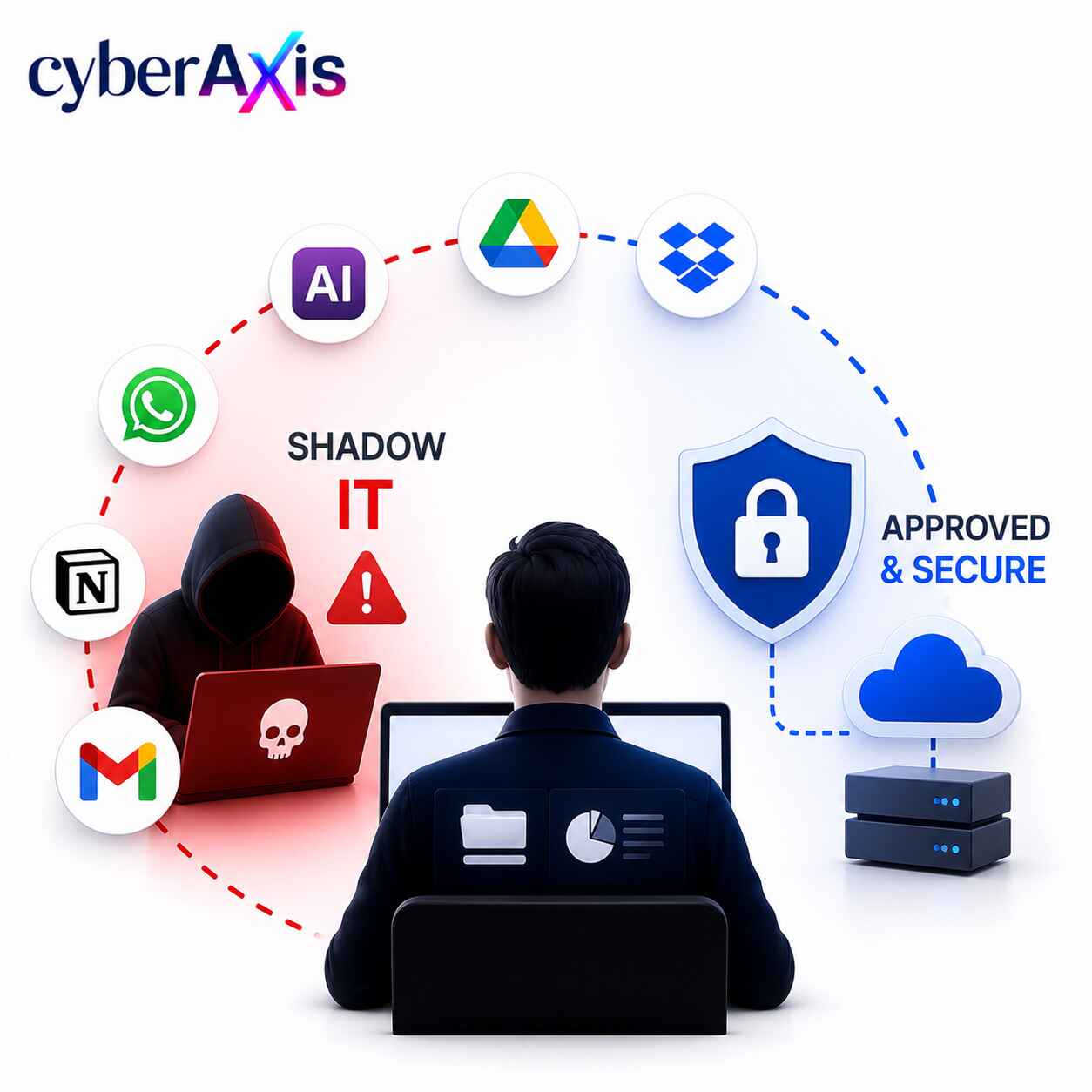
When people think about cybersecurity threats, they often imagine hackers, ransomware, or phishing emails. But sometimes, the biggest security r…

Today, almost every business relies on web applications—customer portals, e-commerce websites, HR systems, online banking, healthcare portals, S…
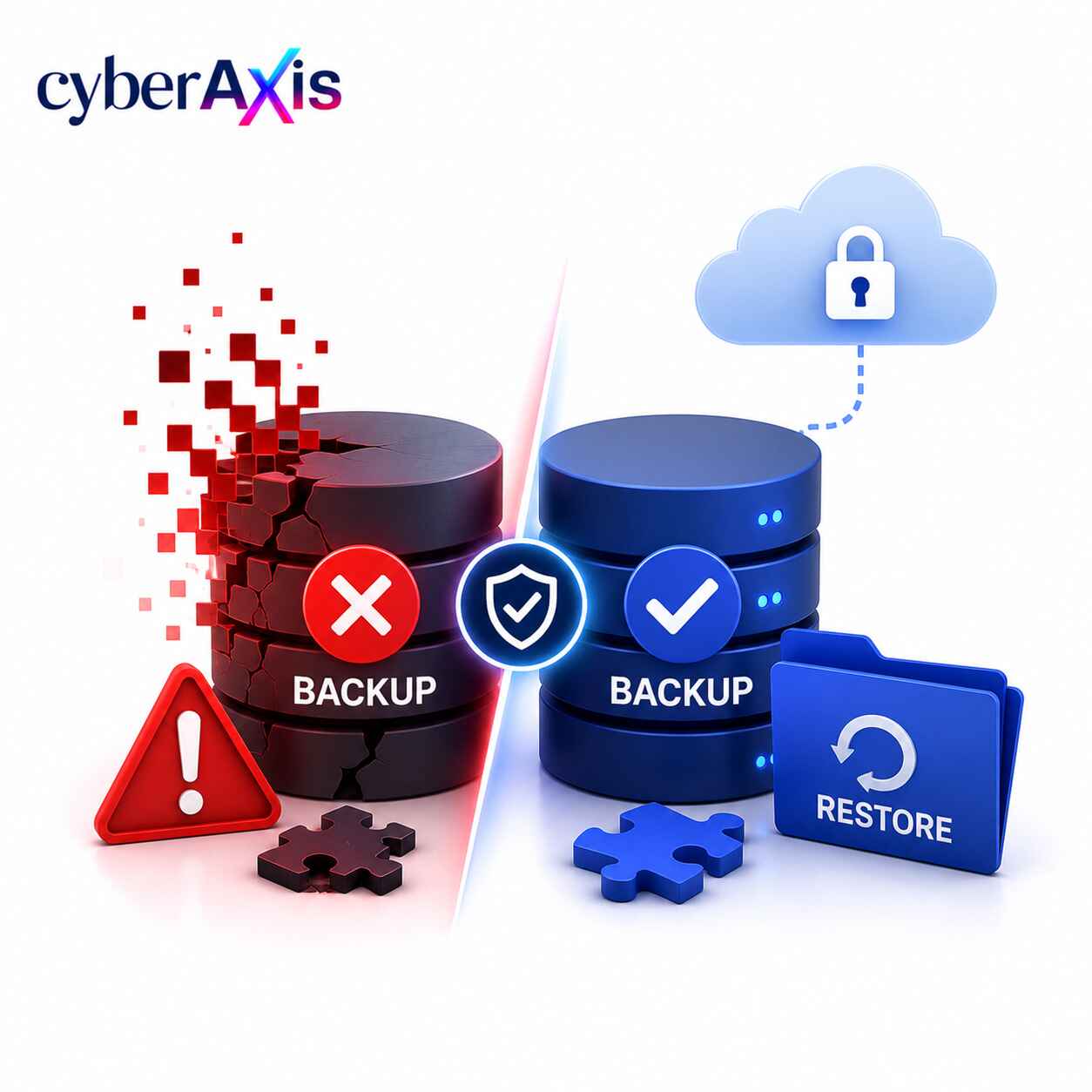
Many organizations believe they're protected from cyberattacks simply because they have backups. Unfortunately, having a backup doesn't always m…
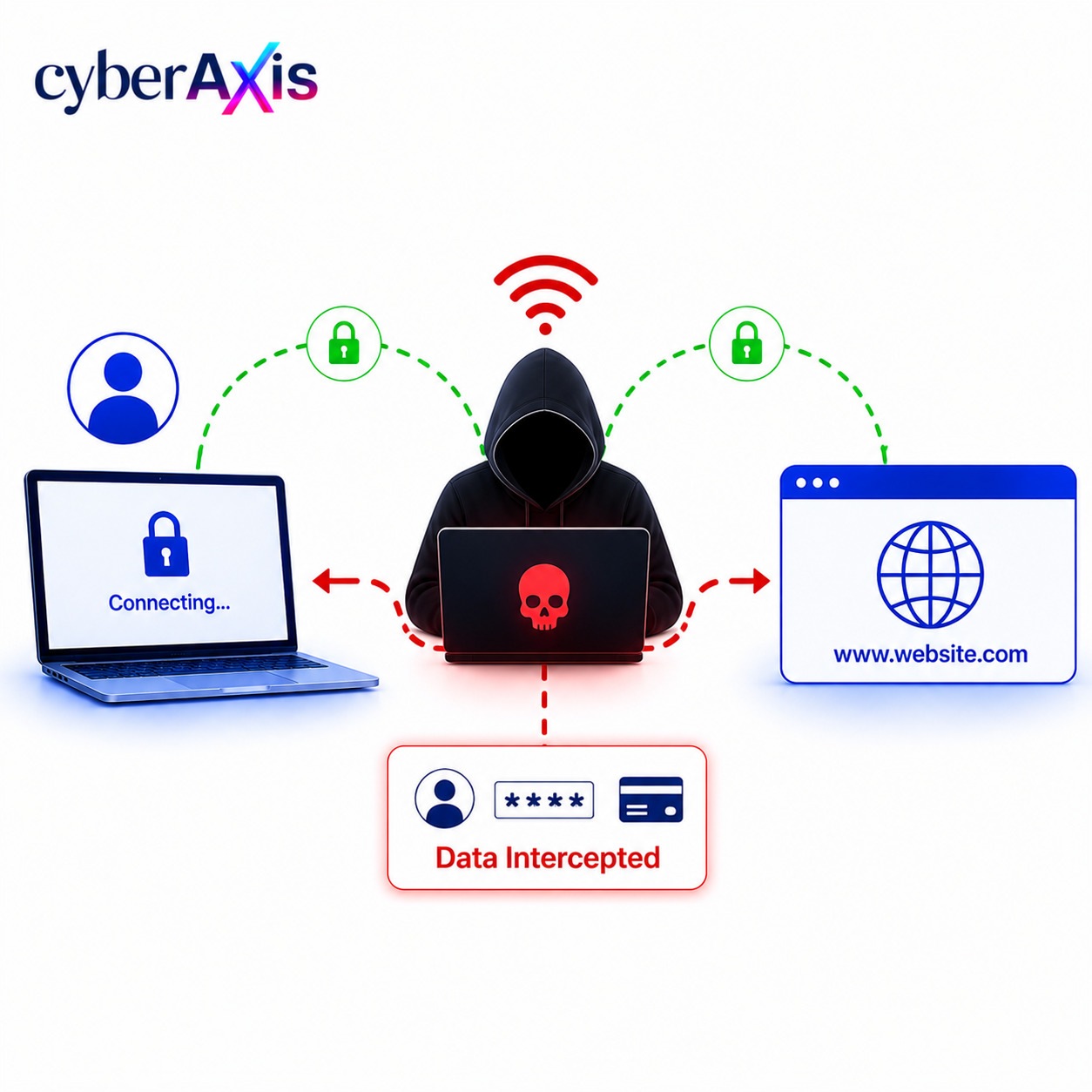
A Man-in-the-Middle (MitM) attack occurs when an attacker secretly intercepts communication between two parties.

When you log in to a website, you prove your identity using your username, password, and sometimes MFA. After successful authentication, the web…
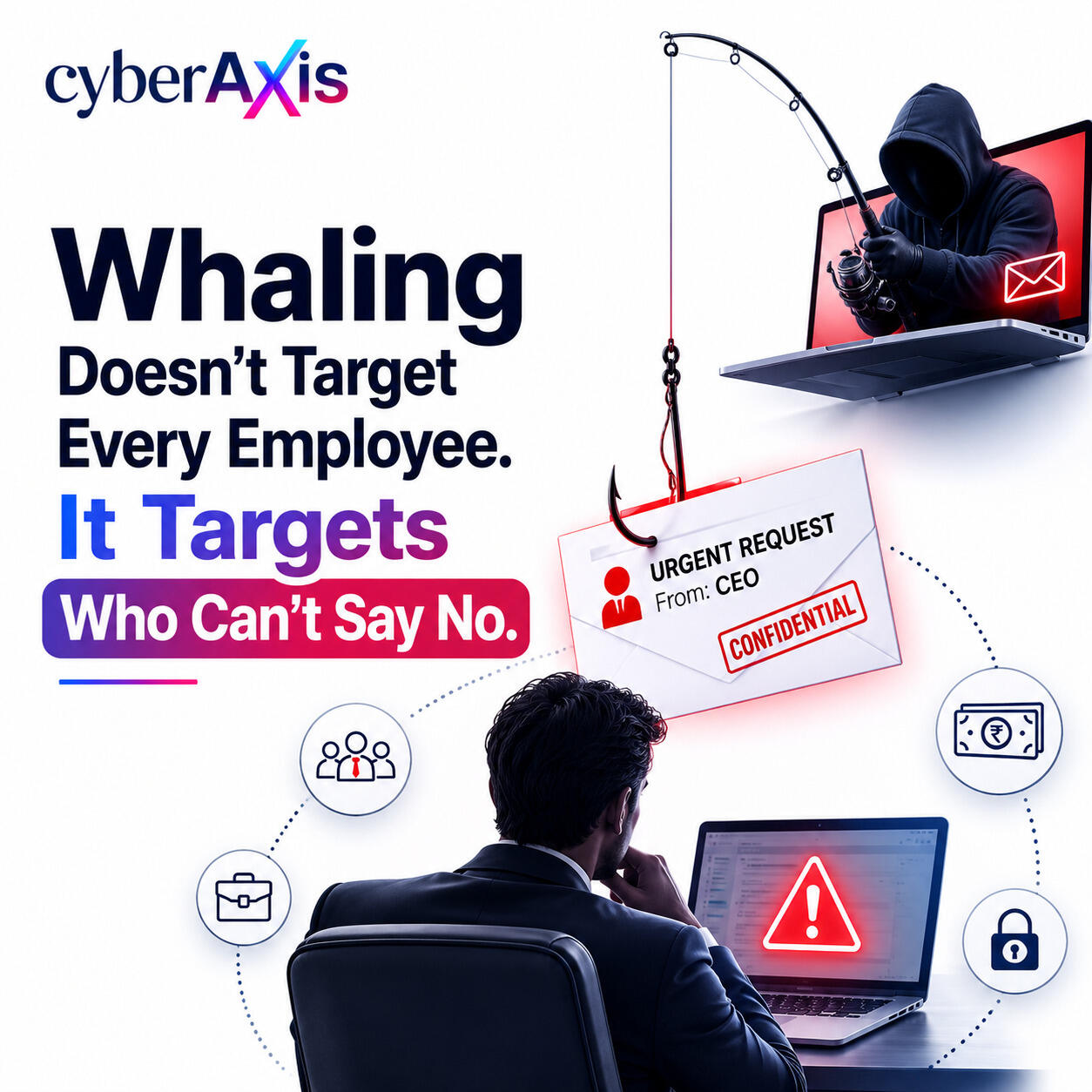
Whaling Doesn't Target Every Employee. It Targets Who Can't Say No.
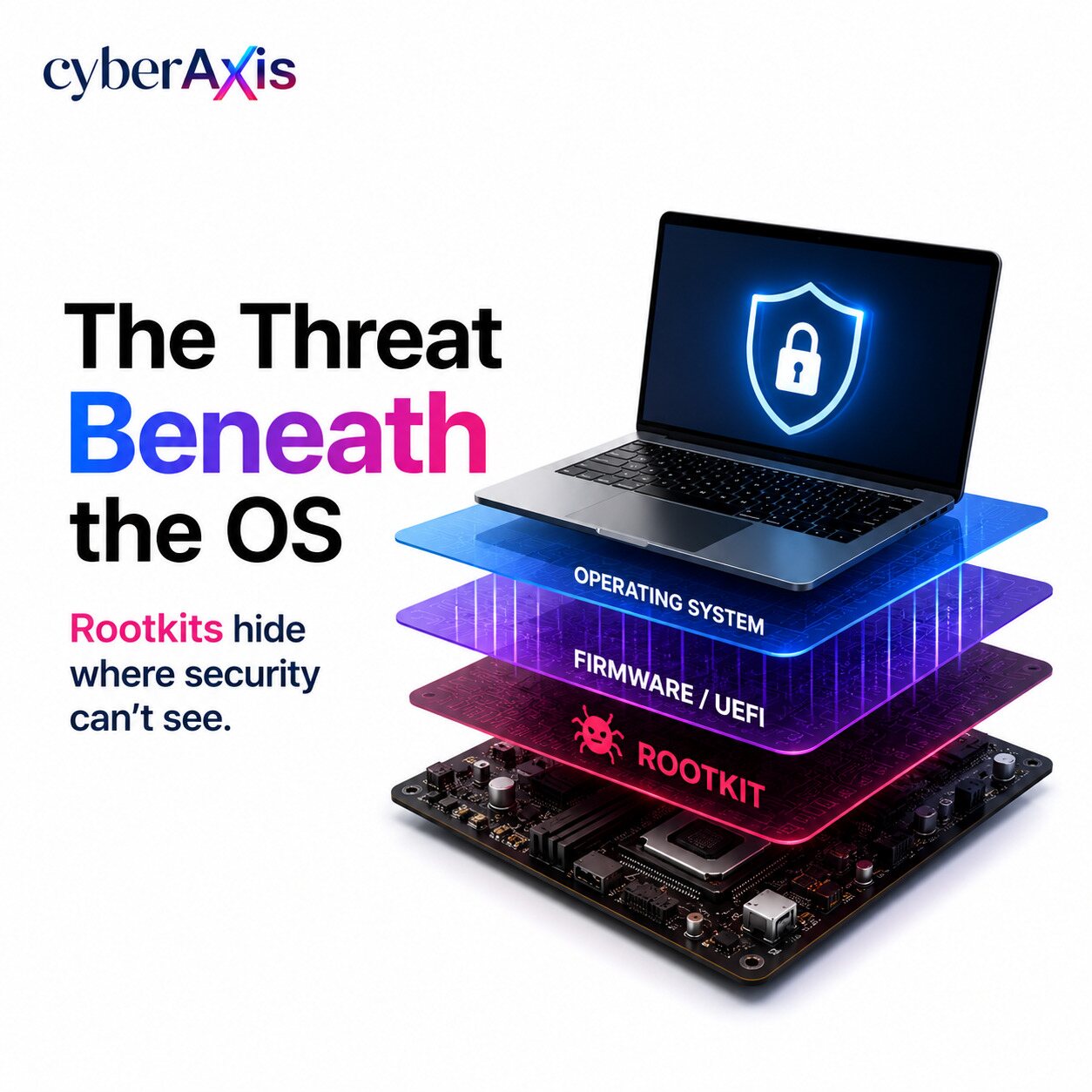
There's a Layer of Your Computer Your Antivirus Can't See. Attackers Found It First. Wipe the hard drive. Reinstall Windows. Replace the SSD ent…
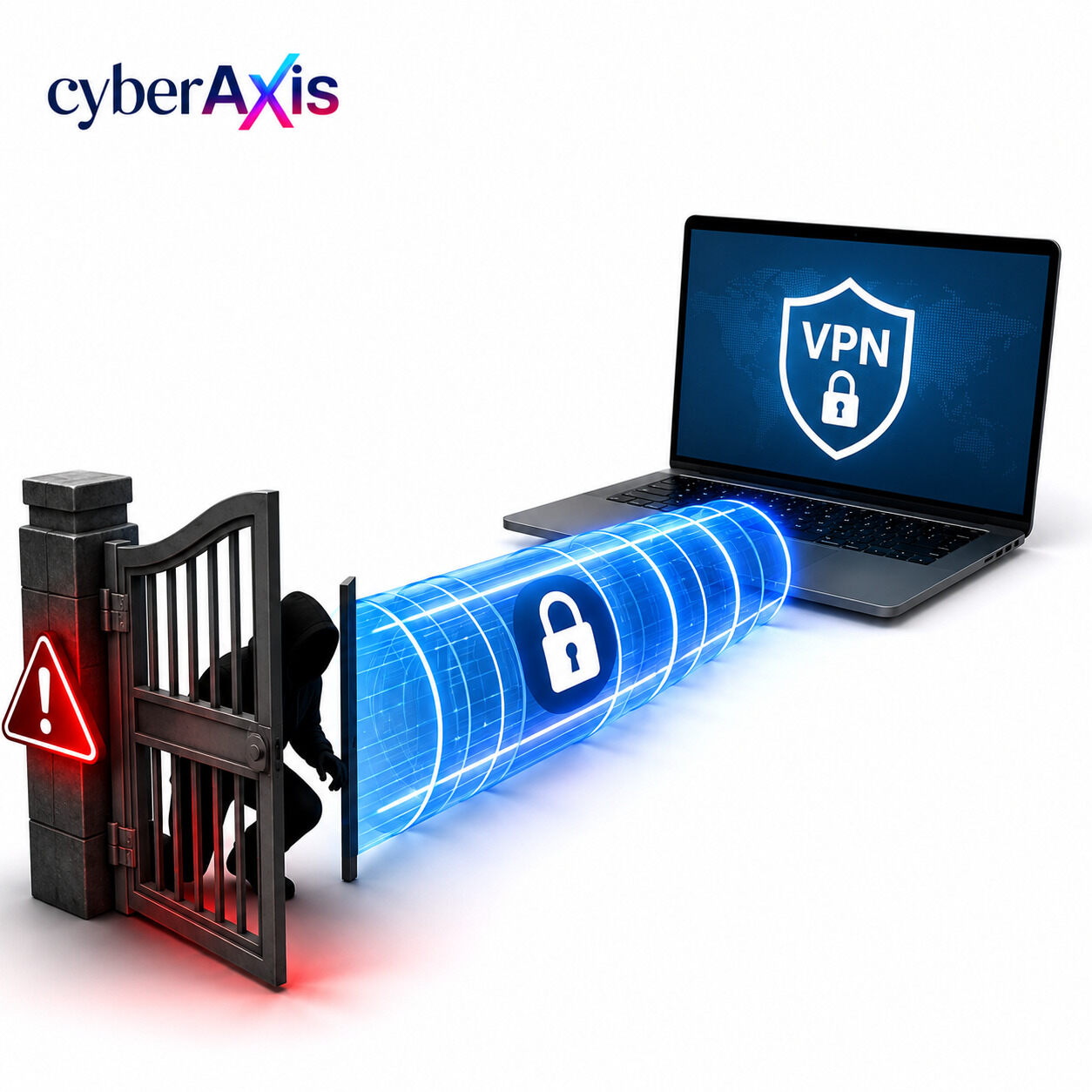
You Locked the Front Door. You Left the Side Gate Wide Open. Your company uses a VPN. Employees log in from home, from coffee shops, from airpor…

Most small business owners think the same thing. "We're too small." "Hackers go after big companies." "We'll deal with it if it happens." That m…

They look completely identical — but the second one will steal your credentials the moment you log in.
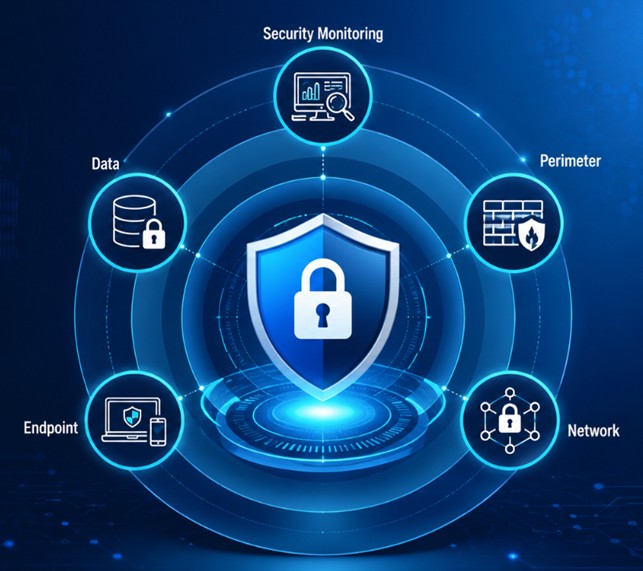
In today’s evolving threat landscape, a multi-layered defense strategy is crucial to protect against diverse cyber threats. This Cyber Defense L…

lets review the recommended Cybersecurity Technology Controls that organizations should implement at their environment. Implementing these contr…
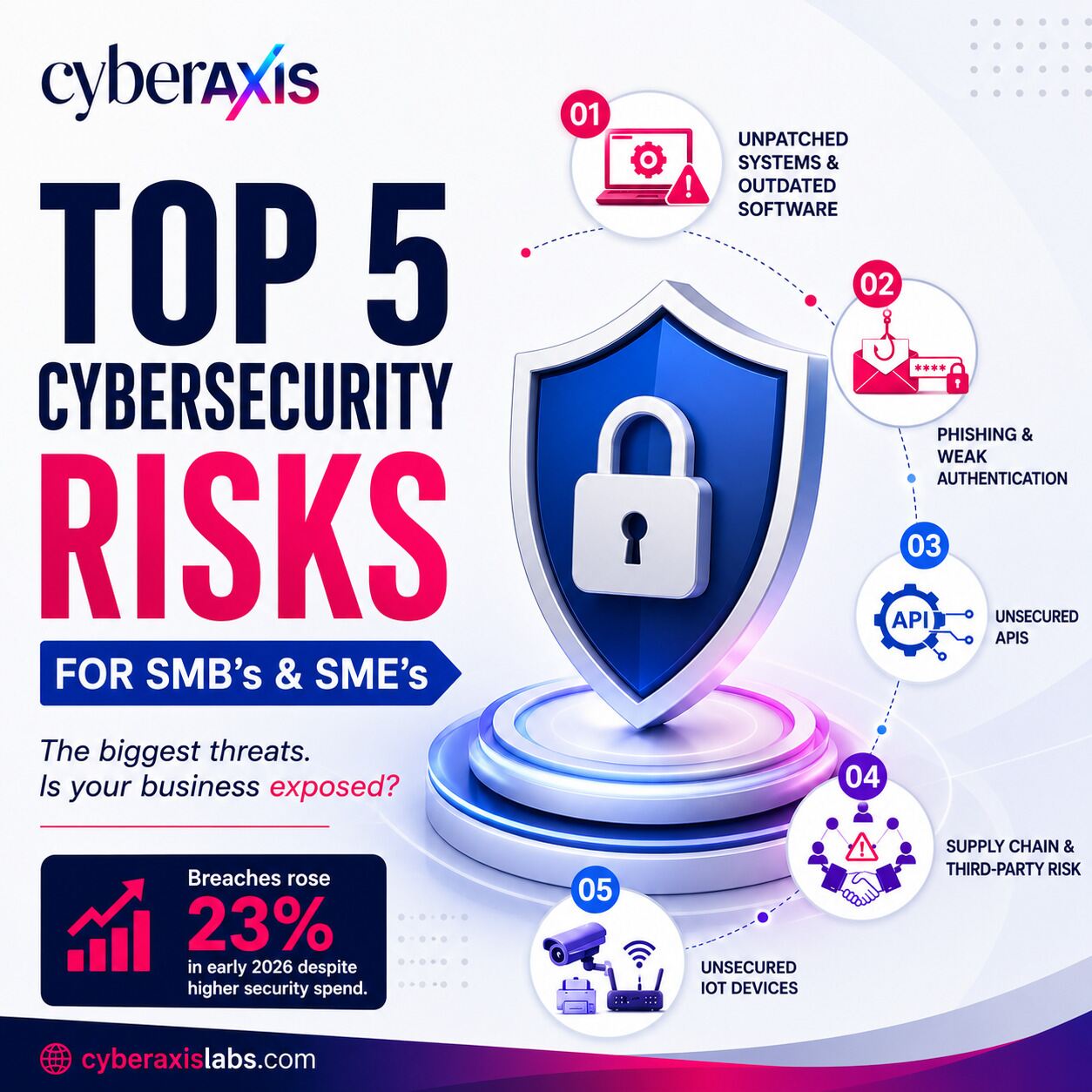
Cyberattacks aren’t slowing down. Over 7.5 million incidents were recorded in 2025, and 2026 is on track to be worse. The worst part? Most breac…
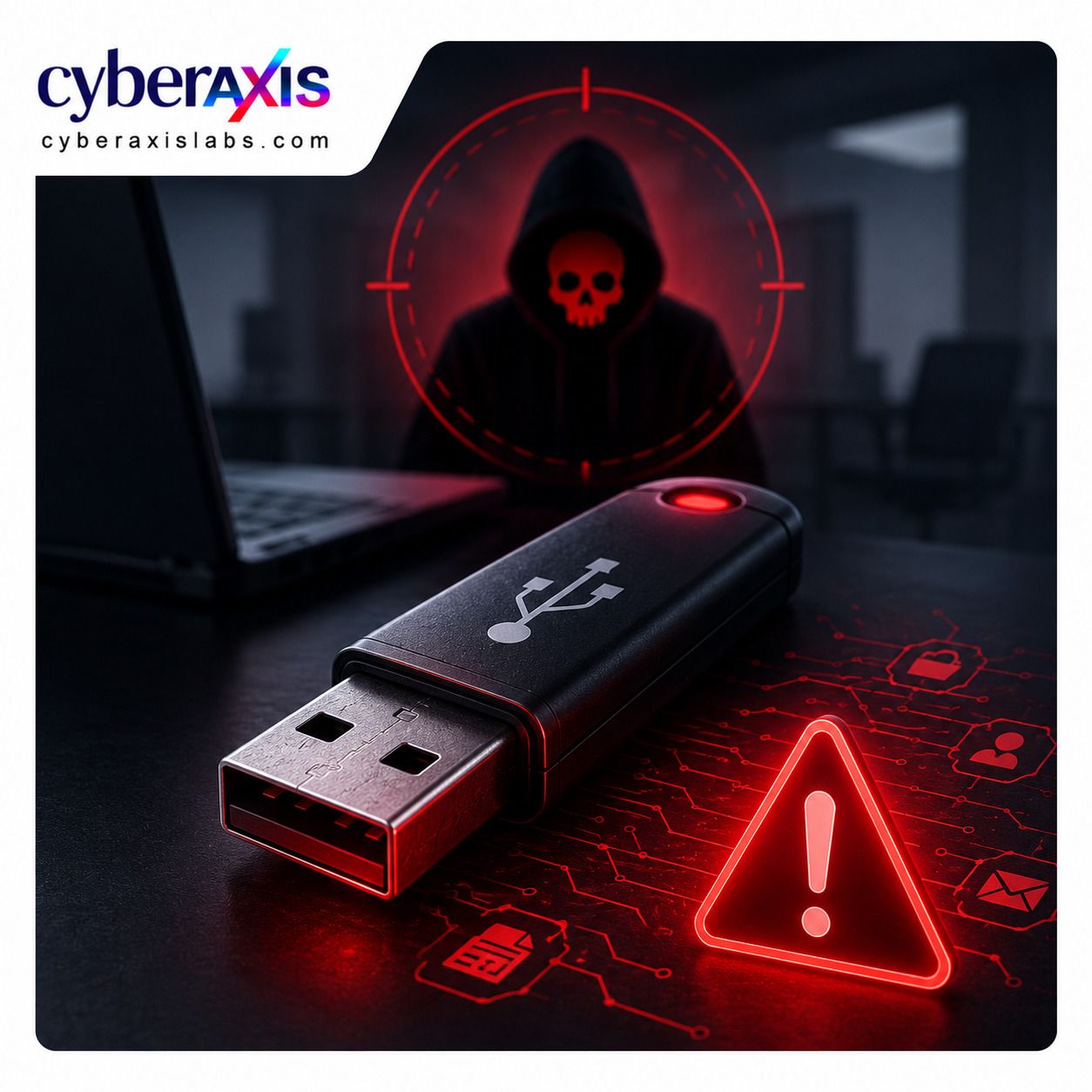
An attacker loads a USB drive with malware — ransomware, a keylogger, or a remote access tool. They drop it somewhere it will be found — a parki…
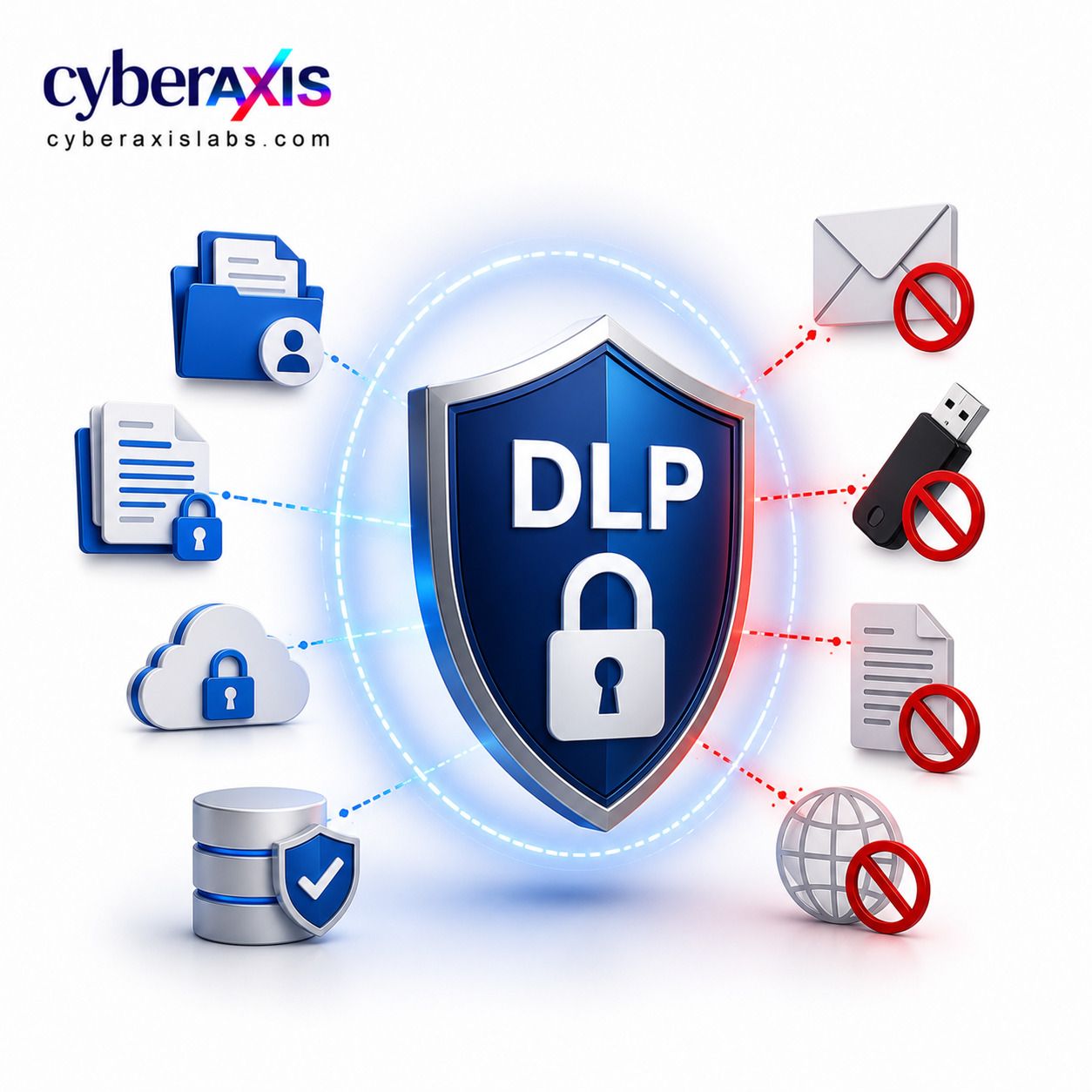

Your Data Was Breached Months Ago. Right Now It Is Being Sold on the Dark Web — And You Probably Don't Know It Yet.
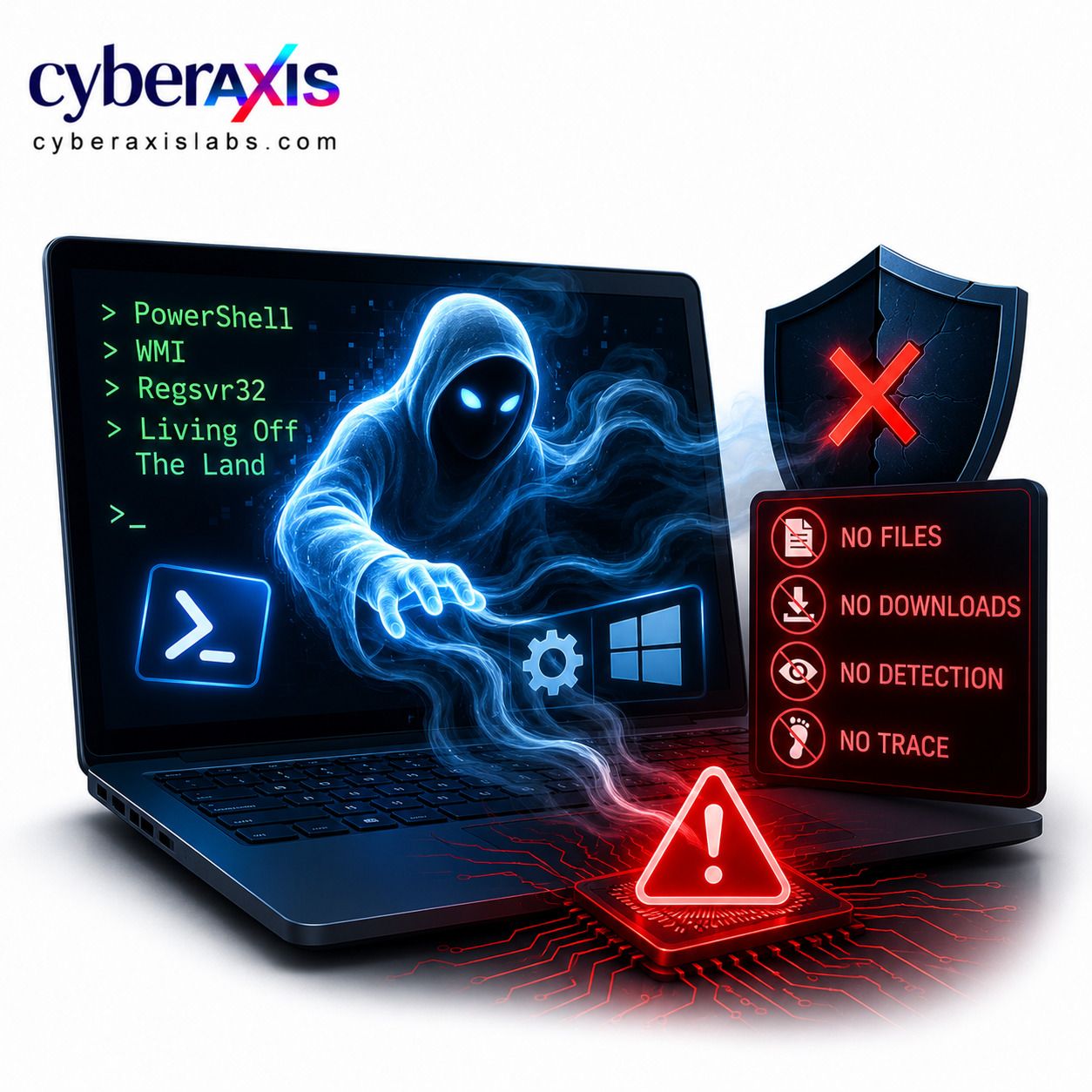
There Are No Files. No Downloads. No Traces. And Your Antivirus Sees Absolutely Nothing. This Is Fileless Malware.
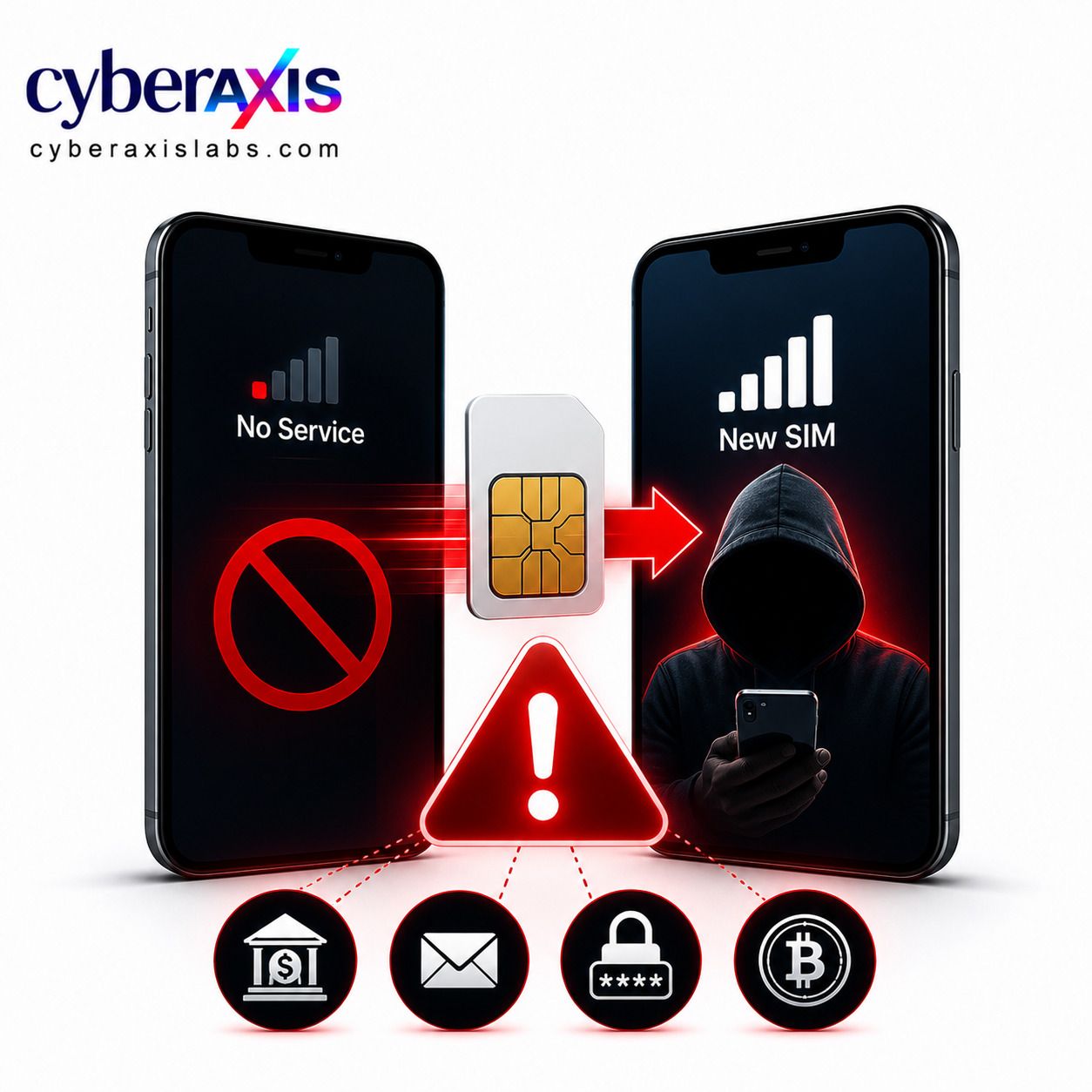
Attackers Are Bypassing Your MFA Without Touching Your Device. All They Need Is Your Phone Number.
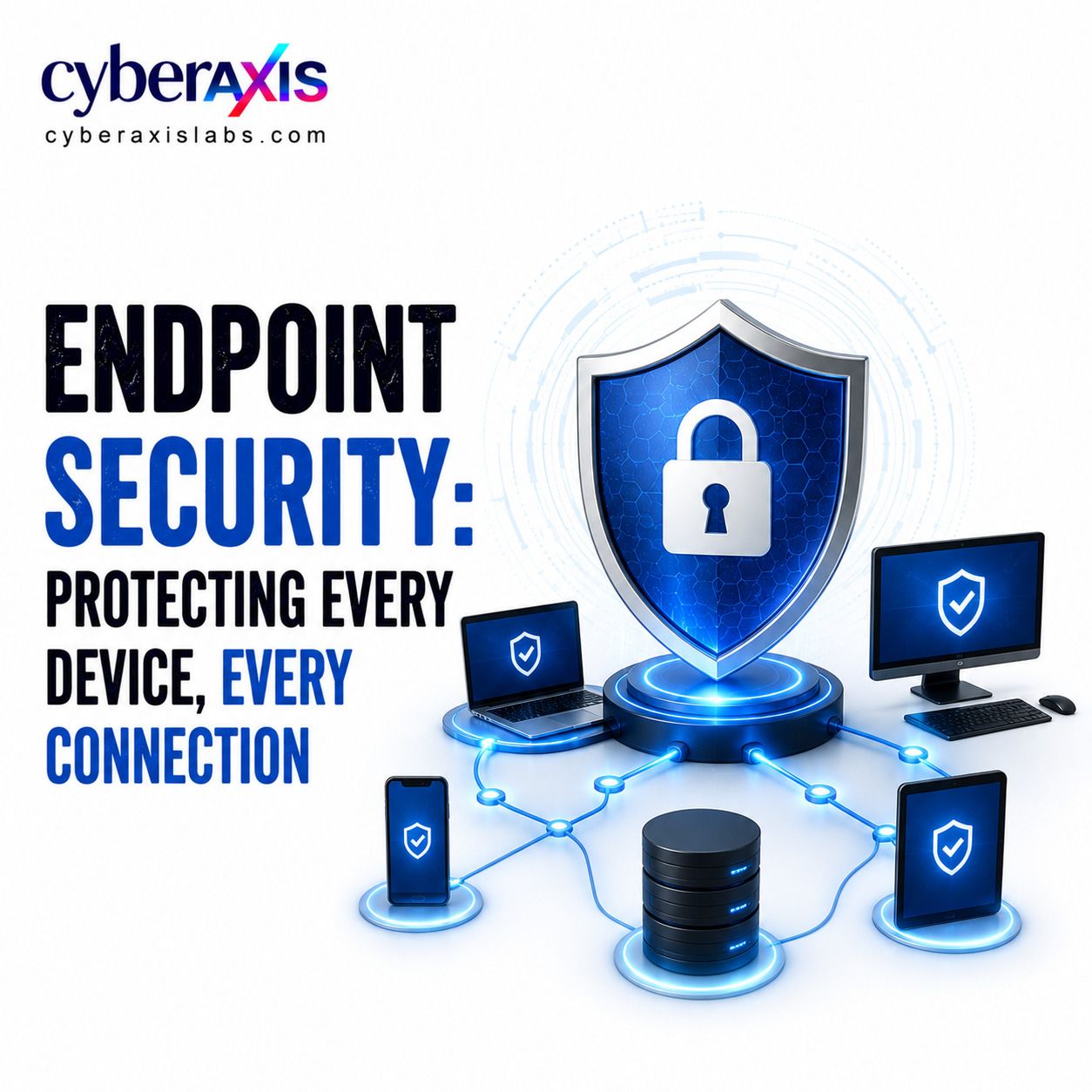
In today's digital landscape, every laptop, desktop, smartphone, server, and IoT device connected to an organization's network represents a pote…

One Scan. One Fake Page. One Set of Stolen Credentials. This Is Quishing.
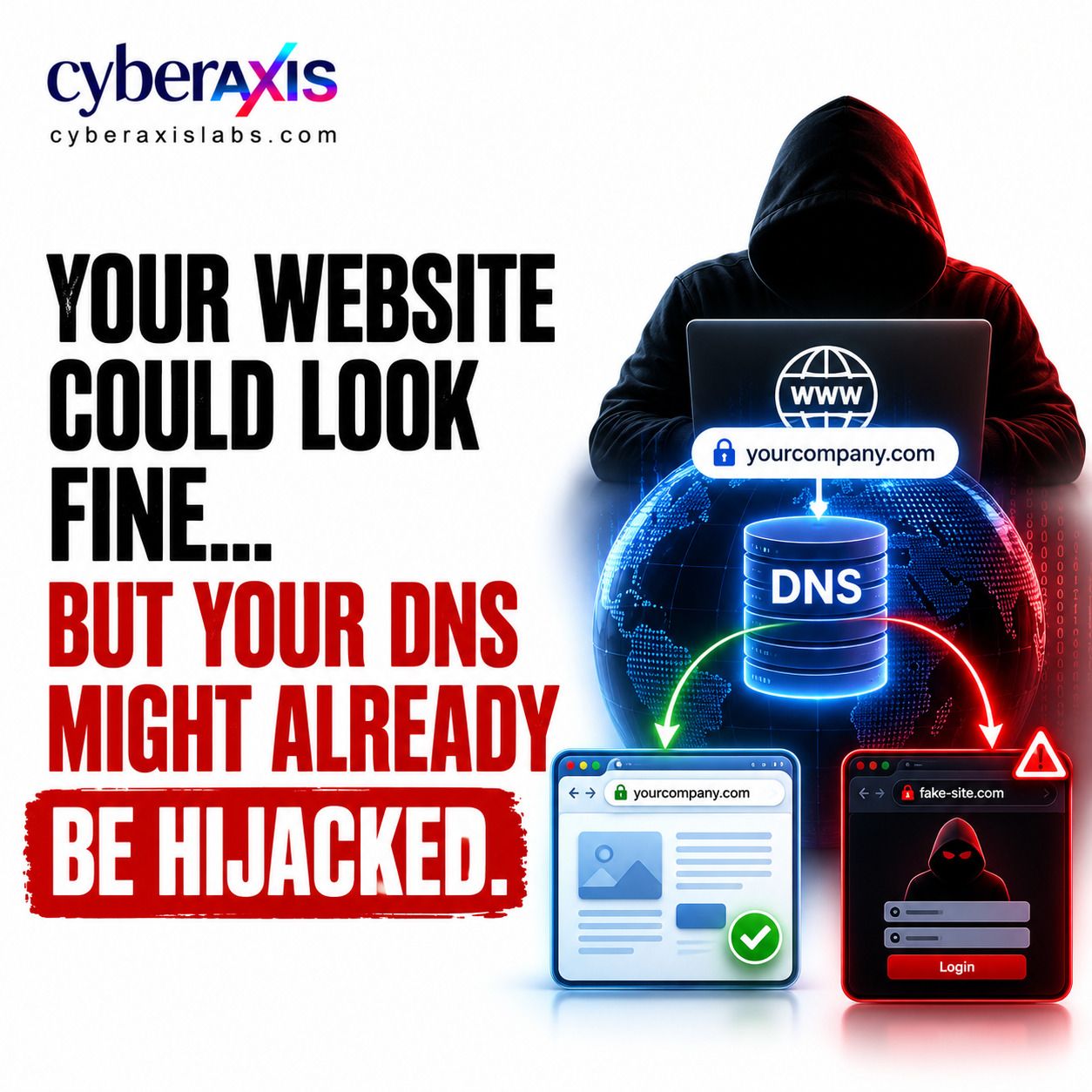
Attackers Don't Always Hack Your Systems. Sometimes They Just Redirect Your DNS and Wait.
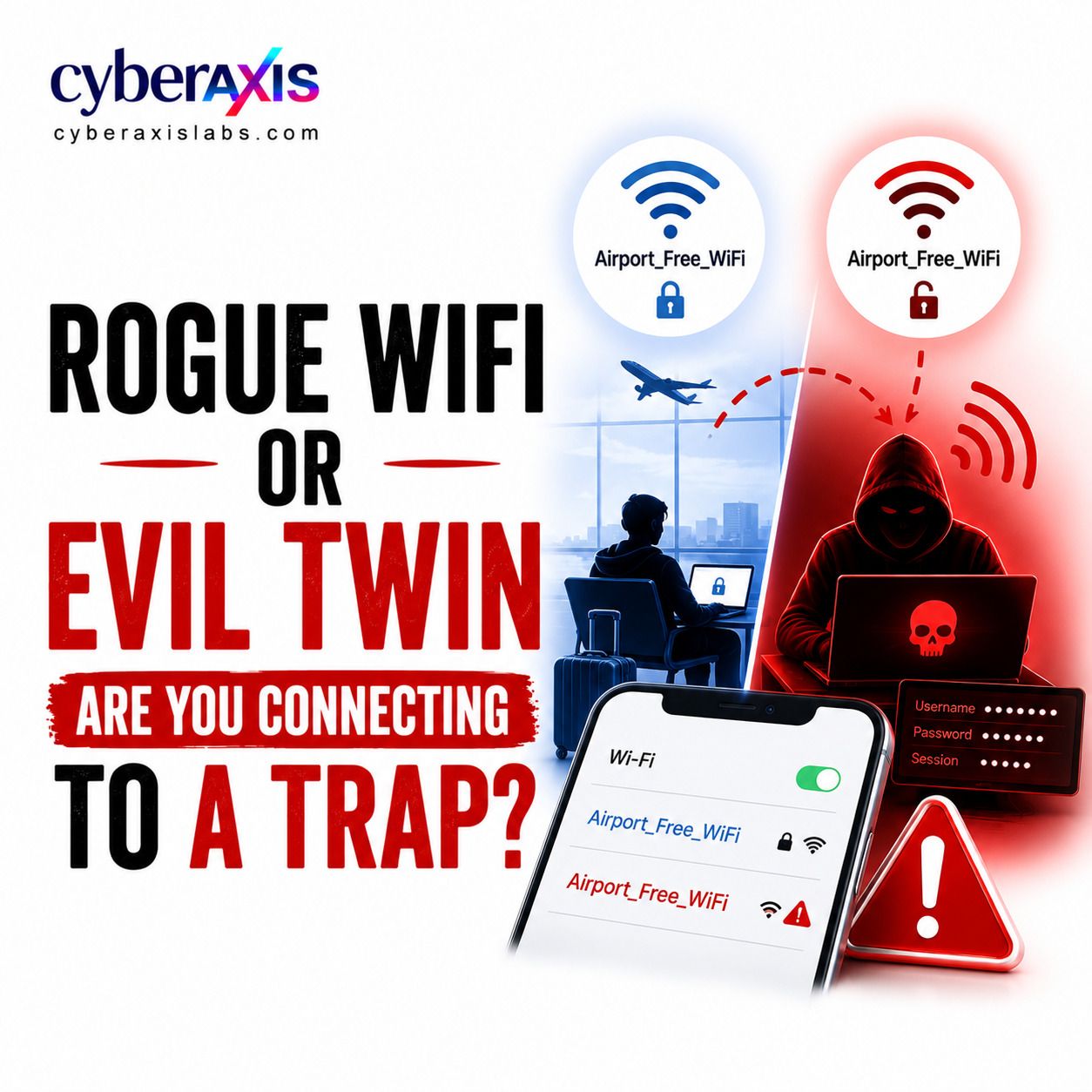
That Free WiFi at the Airport, Cafe, or Hotel Lobby Might Not Belong to the Venue. It Might Belong to an Attacker Sitting 10 Feet Away.

What Looks Like a Social Media Prank Is Actually a Serious Cyber-Physical Security Failure.

Your CEO's Voice Can Now Be Cloned in Seconds. And Your Finance Team Might Not Know the Difference.

Everything You Post on Social Media Is Free Intelligence for Anyone Who Wants to Attack You.

Trojans Disguise Themselves as Something You Trust. That's Exactly Why They Work.
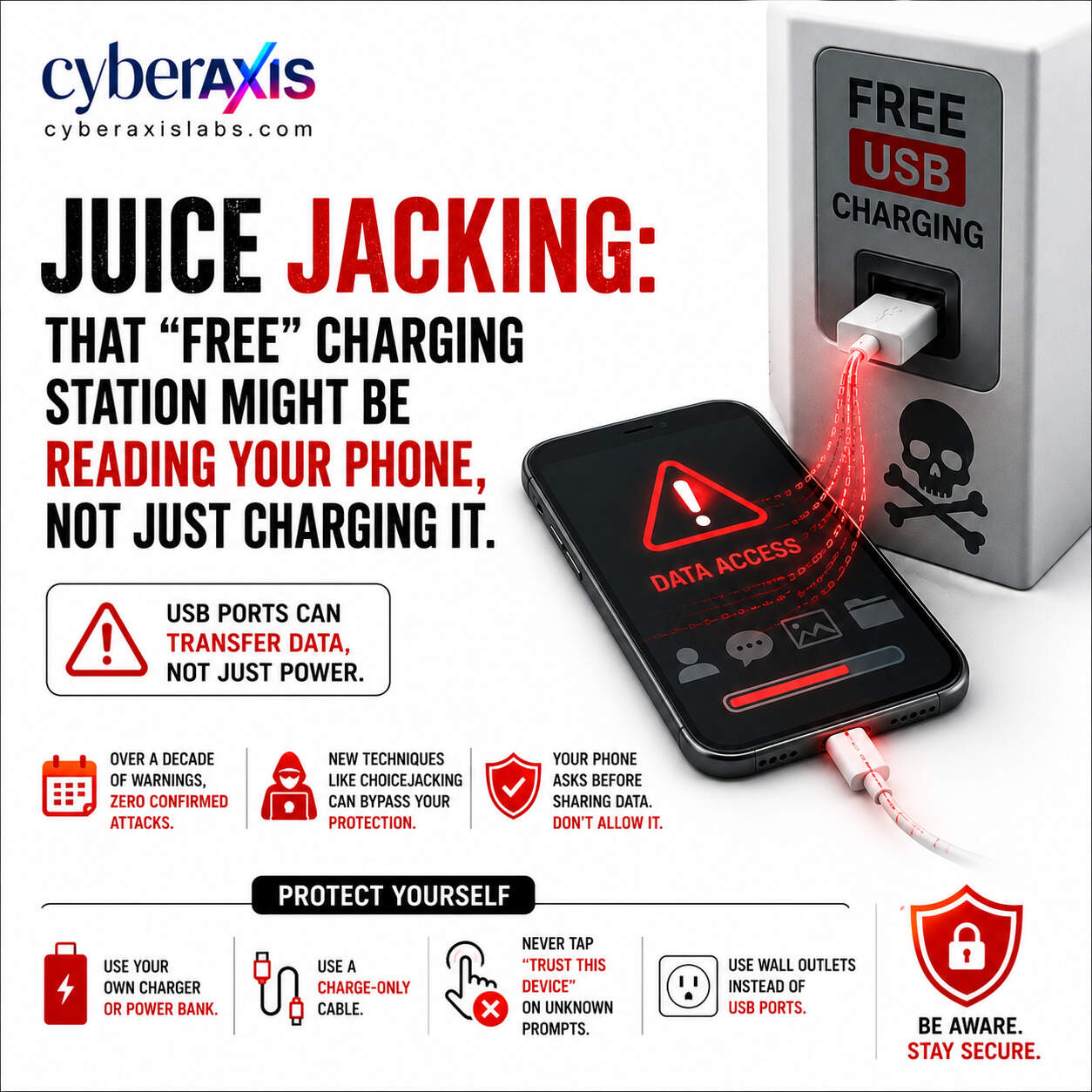
Juice Jacking: That "Free" Charging Station Might Be Reading Your Phone, Not Just Charging It.

If that's the only thing standing between an attacker and your business data, you don't have security — you have a single point of failure.

The Backdoor Into Your Business Isn't Your Firewall. It's a Vendor You've Never Audited. You can lock down every system you own. Train every emp…
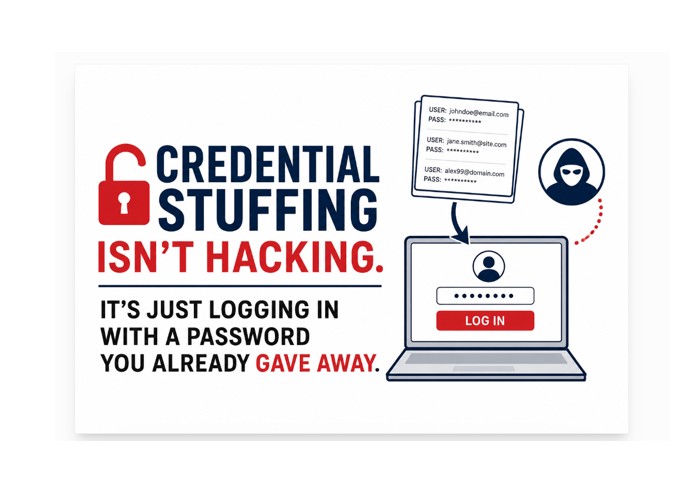
Attackers don't crack your password. They buy it — already stolen from some other breach you've probably never even heard about — then test it e…
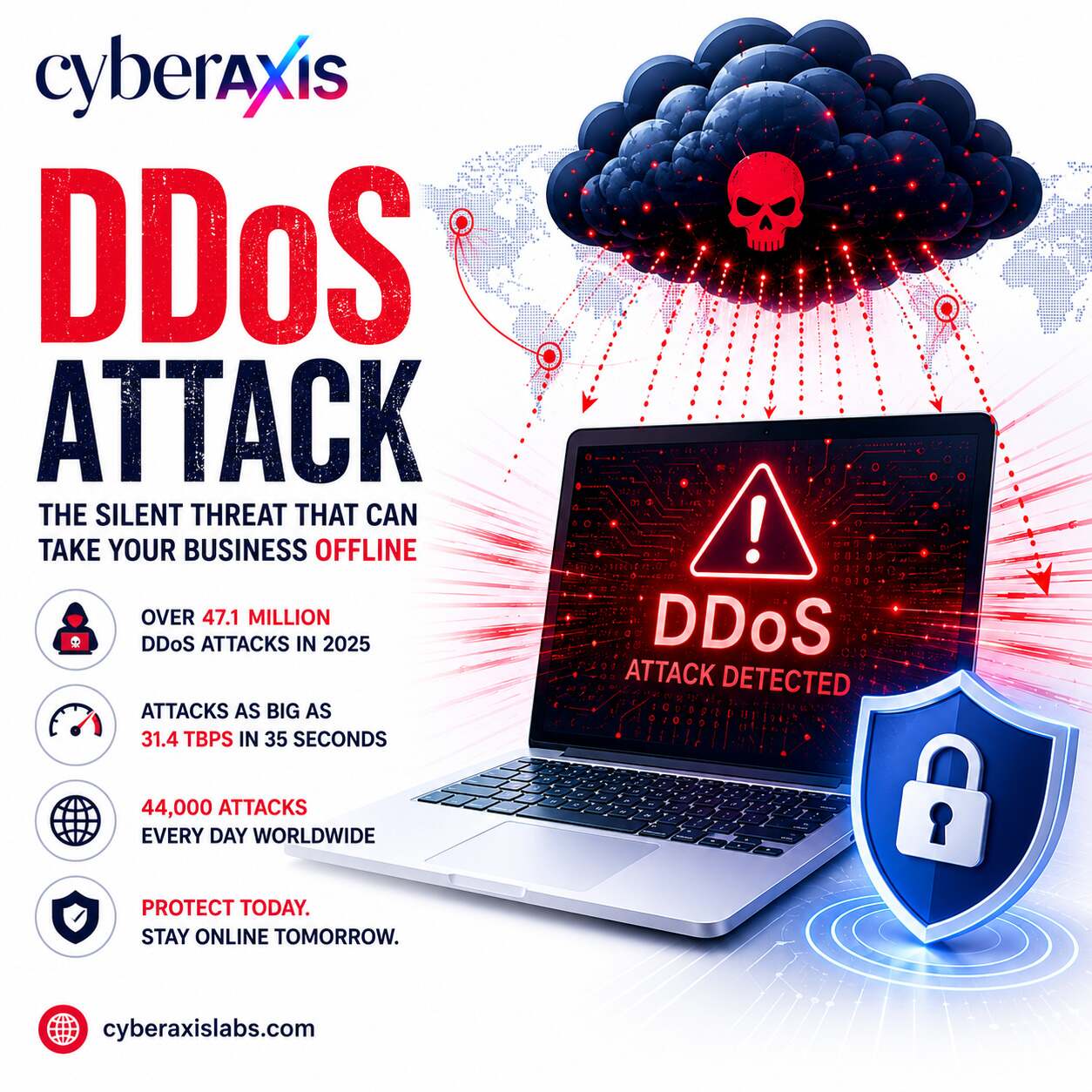
DDoS Attacks Hit the Internet in 2025. Your Environment Could Be Next — And You Won't Get a Warning.
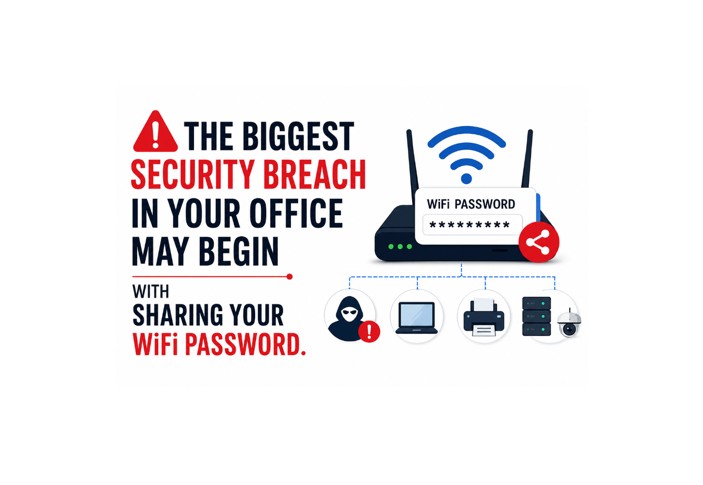
Most people assume they're only sharing WiFi access. In reality, they may also be granting access to the same network that hosts laptops, printe…
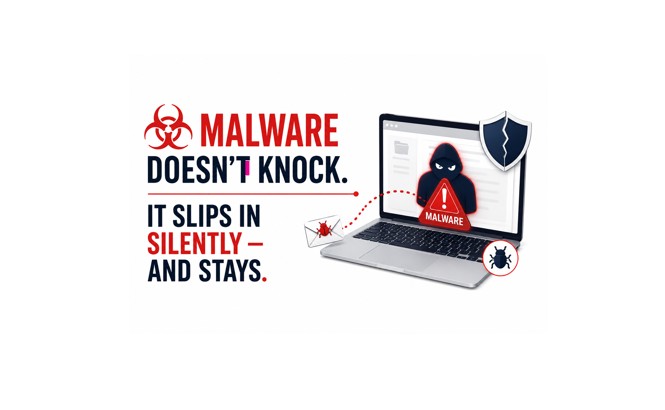
Malware doesn't announce itself — it slips in and stays. Here's what's driving the 2026 surge, from fileless malware to ransomware.
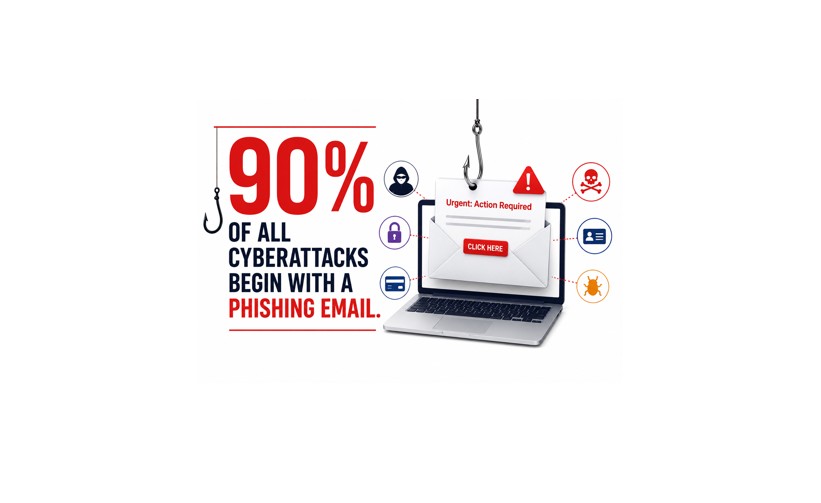
One email, one click — that's all it takes. Here's why AI-powered phishing is more dangerous in 2026, and how to close the gap.
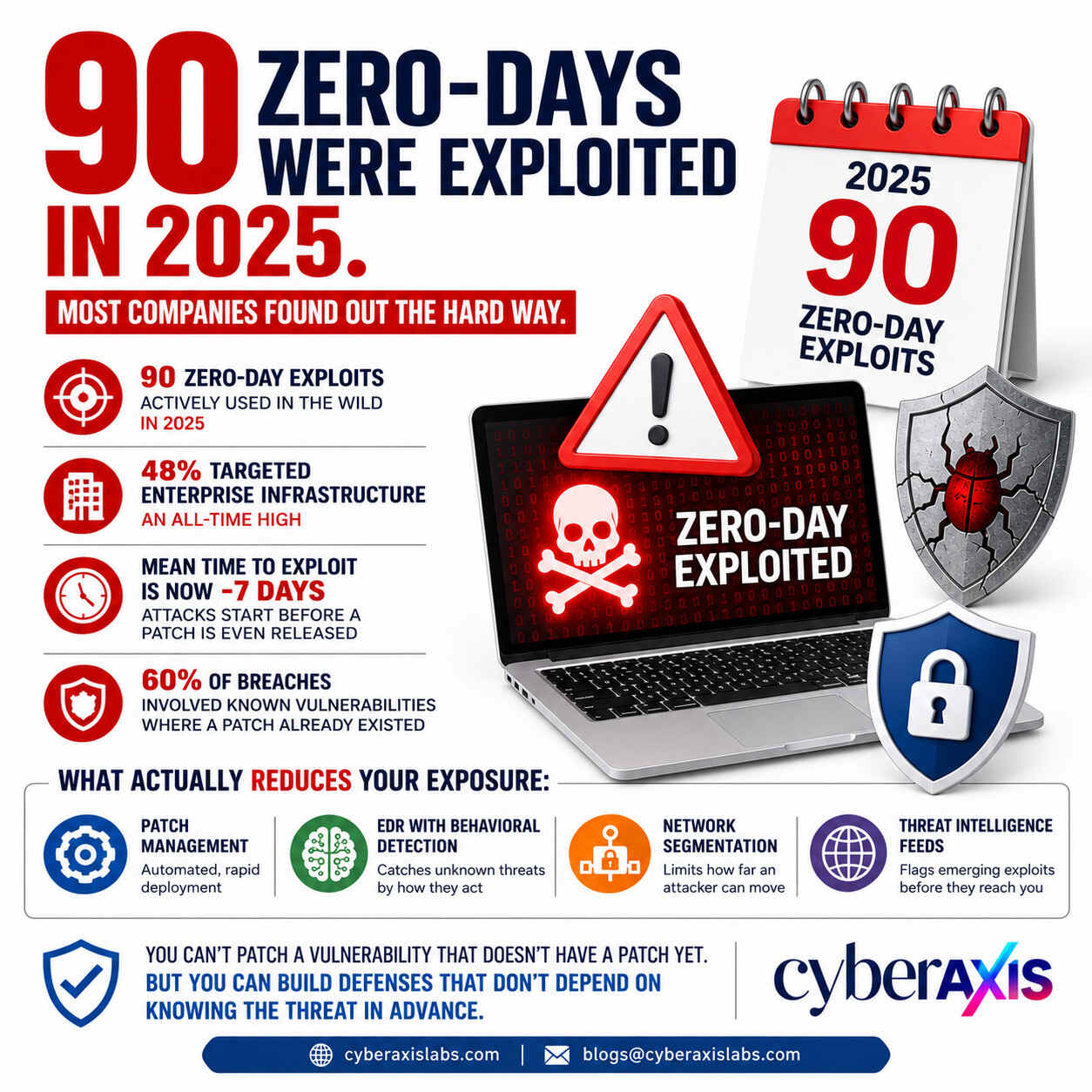
A zero-day means — zero days of warning, No patch exists. No fix is available. Attackers exploit the flaw before anyone even knows it's there.
SOC2 CISO level security control domains to consider.